
|
|
|
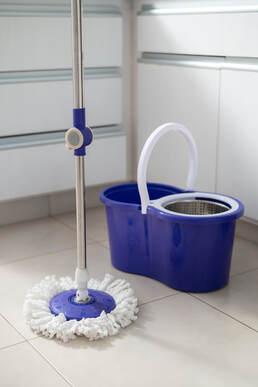
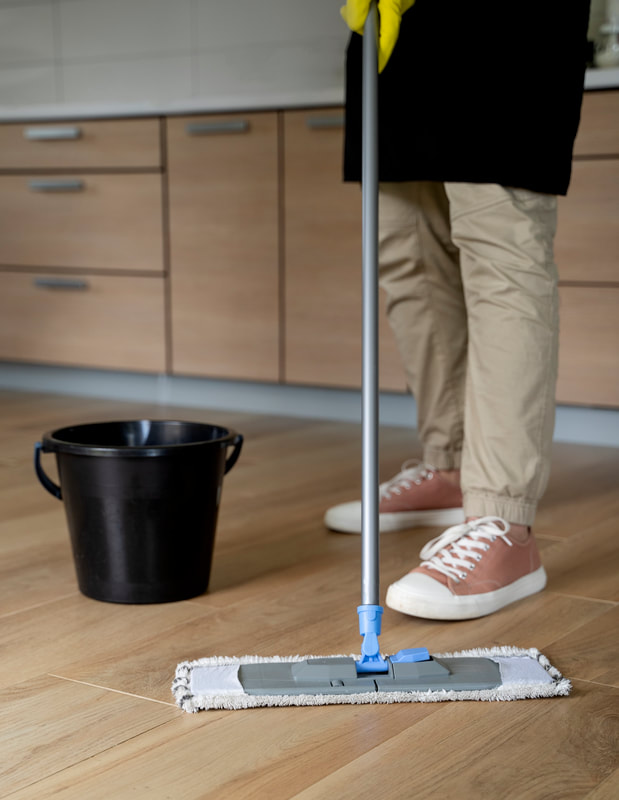
A floor scrubber is a machine that cleans hard floors way better than just using a mop. It washes, scrubs, and dries all in one go, using water, cleaner, spinning brushes or pads, and suction to get rid of dirt and stains.
**Here's a Breakdown of What's Inside:**
* **Solution Tank:** This stores the clean water and cleaning fluid.
* **Recovery Tank:** This tank collects the dirty water after the floor's been scrubbed.
* **Brushes/Pads:** These spin to scrub the floor. Different types work better on different surfaces.
* **Squeegee:** Wipes up the dirty water.
* **Vacuum:** Sucks up the water into the recovery tank so the floor dries fast.
* **Drive System:** How the thing moves – you push it, it moves itself, or you ride on it.
* **Control Panel:** Lets you adjust how much water and pressure to use, and how strong the vacuum is.
* **Power:** Runs on batteries, electricity from a cord, or gas.
**Types of Scrubbers:**
| Type | What it is | Good For |
| ---------------------------- | -------------------------------------------- | ------------------------------------------------------ |
| Push-Behind | You walk and push it. | Small/medium places (shops, hallways). |
| Self-Propelled | Has a motor to help it move. | Medium-sized places. |
| Ride-On | You sit and drive. | Big places (warehouses, malls). |
| Small/Compact | Small, can fit under stuff. | Tight spaces. |
| Cylinder Brush Scrubber | Brushes spin sideways, sweeps as it scrubs. | Bumpy floors. |
| Disc Scrubber | Flat pads spin, good pressure. | Smooth floors, high shine. |
| Orbital Scrubber | Pads vibrate, uses less stuff. | Eco-friendly cleaning. |
**Power Options:**
| Type | Good Points | Bad Points |
| ------------- | ----------------------------- | ------------------------------------------- |
| Battery | No cords, quiet. | Runs out of juice, needs charging. |
| Corded | Always has power. | Cord limits how far you can go. |
| Gas-Powered | Runs for a long time, strong. | Loud, has fumes, needs more upkeep. |
**How to Use a Scrubber:**
1. Fill the solution tank with water and soap (follow the directions).
2. Set it up – adjust brush pressure and water.
3. Start scrubbing – the brushes loosen the dirt.
4. The vacuum kicks in – the squeegee grabs the dirty water.
5. Empty the dirty water tank when you're done.
6. Clean the brushes/pads and check the squeegee.
**Taking Care of Your Scrubber:**
* **Every Day:**
* Empty and rinse both tanks.
* Clean brushes, squeegee, and filters.
* Charge the battery if needed.
* **Every Week:**
* Look at hoses, seals, and gaskets.
* Check the tires if it's a big one.
* **Every Month:**
* Check wires, belts, and the battery.
* Grease any moving parts.
*Tip: Store it with the tanks empty and open to prevent smells and mold!*
**What Cleaners to Use:**
* Use low-sudsing detergents made for these machines.
* Don't use bleach or strong solvents unless the machine and floor can handle it.
* Neutral cleaners are usually the safest bet.
**What Floors Can You Clean?:**
| Floor Type | Okay? | Notes |
| ---------- | ----- | ------------------------------------------- |
| Concrete | Yes | Use tough brushes. |
| Tile | Yes | Be careful on the grout. |
| Vinyl | Yes | Use soft pads. |
| Epoxy | Yes | Scrub gently, don't use harsh cleaners. |
| Wood | Maybe | Only sealed wood, use very little water. |
| Carpet | No | Use a carpet cleaner instead. |
**Important Stuff to Know:**
* **Cleaning Width:** How wide of a path it cleans.
* **Tank Size:** How much water the tanks hold.
* **Run Time:** How long it runs before needing a refill or recharge.
* **Cleaning Rate:** How much area it cleans per hour.
* **Noise Level:** How loud it is.
**Common Problems and Fixes:**
| Problem | Why? | How to Fix |
| ------------------------------- | ---------------------------------- | ---------- |
| No suction | Clogged hose, dirty squeegee. | Clean it! |
| No water coming out | Clogged line. | Flush it out. |
| Not scrubbing well | Worn brushes/pads. | Replace them. |
| Streaks | Dirty squeegee, uneven pressure. | Clean it or adjust pressure. |
| Battery doesn't last very long | Old battery. | Get a new one. |
**Safety First:**
* Wear gloves and non-slip shoes.
* Put up Wet Floor signs.
* Don't use it on steep hills.
* Unplug it before working on it.
* Don't overfill the tanks or mix cleaners.
**Being Green:**
* Use eco modes to save water and cleaner.
* Some machines recycle the dirty water.
* Look for quiet models.
* Recycle the batteries the right way.
**How Much Do They Cost?**
| Type | Price (USD) |
| ---------------- | ------------- |
| Push / Small | \$500 – \$2,000 |
| Walk-Behind | \$2,000 – \$10,000 |
| Ride-On | \$8,000 – \$30,000+ |
| Heavy-Duty Industrial | \$20,000 – \$80,000+ |
**Why Use a Scrubber Instead of a Mop?**
* Way faster and more efficient (like, 10 times faster).
* Cleans the same way every time.
* Uses less water and soap.
* Floors dry super quick.
* Less work for you!
**Here's a Breakdown of What's Inside:**
* **Solution Tank:** This stores the clean water and cleaning fluid.
* **Recovery Tank:** This tank collects the dirty water after the floor's been scrubbed.
* **Brushes/Pads:** These spin to scrub the floor. Different types work better on different surfaces.
* **Squeegee:** Wipes up the dirty water.
* **Vacuum:** Sucks up the water into the recovery tank so the floor dries fast.
* **Drive System:** How the thing moves – you push it, it moves itself, or you ride on it.
* **Control Panel:** Lets you adjust how much water and pressure to use, and how strong the vacuum is.
* **Power:** Runs on batteries, electricity from a cord, or gas.
**Types of Scrubbers:**
| Type | What it is | Good For |
| ---------------------------- | -------------------------------------------- | ------------------------------------------------------ |
| Push-Behind | You walk and push it. | Small/medium places (shops, hallways). |
| Self-Propelled | Has a motor to help it move. | Medium-sized places. |
| Ride-On | You sit and drive. | Big places (warehouses, malls). |
| Small/Compact | Small, can fit under stuff. | Tight spaces. |
| Cylinder Brush Scrubber | Brushes spin sideways, sweeps as it scrubs. | Bumpy floors. |
| Disc Scrubber | Flat pads spin, good pressure. | Smooth floors, high shine. |
| Orbital Scrubber | Pads vibrate, uses less stuff. | Eco-friendly cleaning. |
**Power Options:**
| Type | Good Points | Bad Points |
| ------------- | ----------------------------- | ------------------------------------------- |
| Battery | No cords, quiet. | Runs out of juice, needs charging. |
| Corded | Always has power. | Cord limits how far you can go. |
| Gas-Powered | Runs for a long time, strong. | Loud, has fumes, needs more upkeep. |
**How to Use a Scrubber:**
1. Fill the solution tank with water and soap (follow the directions).
2. Set it up – adjust brush pressure and water.
3. Start scrubbing – the brushes loosen the dirt.
4. The vacuum kicks in – the squeegee grabs the dirty water.
5. Empty the dirty water tank when you're done.
6. Clean the brushes/pads and check the squeegee.
**Taking Care of Your Scrubber:**
* **Every Day:**
* Empty and rinse both tanks.
* Clean brushes, squeegee, and filters.
* Charge the battery if needed.
* **Every Week:**
* Look at hoses, seals, and gaskets.
* Check the tires if it's a big one.
* **Every Month:**
* Check wires, belts, and the battery.
* Grease any moving parts.
*Tip: Store it with the tanks empty and open to prevent smells and mold!*
**What Cleaners to Use:**
* Use low-sudsing detergents made for these machines.
* Don't use bleach or strong solvents unless the machine and floor can handle it.
* Neutral cleaners are usually the safest bet.
**What Floors Can You Clean?:**
| Floor Type | Okay? | Notes |
| ---------- | ----- | ------------------------------------------- |
| Concrete | Yes | Use tough brushes. |
| Tile | Yes | Be careful on the grout. |
| Vinyl | Yes | Use soft pads. |
| Epoxy | Yes | Scrub gently, don't use harsh cleaners. |
| Wood | Maybe | Only sealed wood, use very little water. |
| Carpet | No | Use a carpet cleaner instead. |
**Important Stuff to Know:**
* **Cleaning Width:** How wide of a path it cleans.
* **Tank Size:** How much water the tanks hold.
* **Run Time:** How long it runs before needing a refill or recharge.
* **Cleaning Rate:** How much area it cleans per hour.
* **Noise Level:** How loud it is.
**Common Problems and Fixes:**
| Problem | Why? | How to Fix |
| ------------------------------- | ---------------------------------- | ---------- |
| No suction | Clogged hose, dirty squeegee. | Clean it! |
| No water coming out | Clogged line. | Flush it out. |
| Not scrubbing well | Worn brushes/pads. | Replace them. |
| Streaks | Dirty squeegee, uneven pressure. | Clean it or adjust pressure. |
| Battery doesn't last very long | Old battery. | Get a new one. |
**Safety First:**
* Wear gloves and non-slip shoes.
* Put up Wet Floor signs.
* Don't use it on steep hills.
* Unplug it before working on it.
* Don't overfill the tanks or mix cleaners.
**Being Green:**
* Use eco modes to save water and cleaner.
* Some machines recycle the dirty water.
* Look for quiet models.
* Recycle the batteries the right way.
**How Much Do They Cost?**
| Type | Price (USD) |
| ---------------- | ------------- |
| Push / Small | \$500 – \$2,000 |
| Walk-Behind | \$2,000 – \$10,000 |
| Ride-On | \$8,000 – \$30,000+ |
| Heavy-Duty Industrial | \$20,000 – \$80,000+ |
**Why Use a Scrubber Instead of a Mop?**
* Way faster and more efficient (like, 10 times faster).
* Cleans the same way every time.
* Uses less water and soap.
* Floors dry super quick.
* Less work for you!